
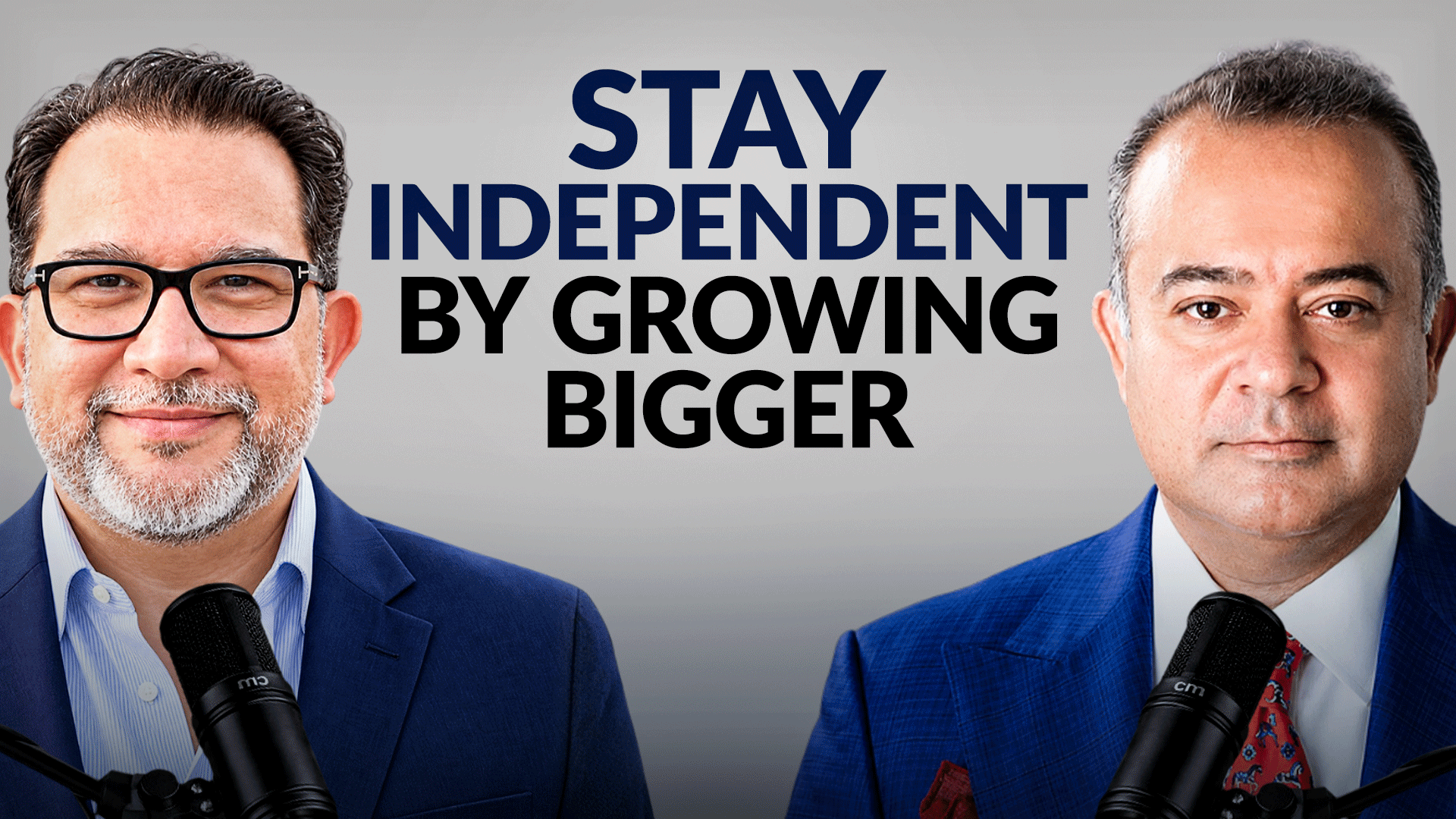
Building Independent Physician Enterprises, Integrated Care & the Future of Orthopedics
Guest Spotlight: Alejandro Fernandez
Alejandro Fernandez, is the Chief Executive Officer of Synergy Orthopedic Specialists, the largest private orthopedic medical group in San Diego, with more than 50 providers across 15 locations, five physical therapy sites, an MRI center, and an ambulatory surgical center. With more than 30 years of experience in physician practice management, Alejandro has worked across multiple specialties, including gastroenterology, dermatology, and orthopedics, helping physician groups build scalable, integrated, and independent healthcare enterprises.
Throughout his career, Alejandro has focused on developing integrated delivery systems that bring together physicians, imaging, physical therapy, durable medical equipment, ambulatory surgery, and other services under one coordinated platform. His approach centers on improving patient access and experience while helping physicians remain independent and build sustainable businesses. He has extensive experience in physician alignment, payer contracting, revenue cycle management, ancillary services, and strategic growth, offering a unique perspective on the operational and financial challenges facing independent medical practices today.
Here are the 3 Key Takeaways from our Conversation:
1. Integrated Care Can Improve Access While Controlling the Cost of Care
Alejandro explains how vertically integrated orthopedic practices can create a more seamless experience by bringing physicians, imaging, physical therapy, durable medical equipment, pain management, and ambulatory surgery together under one organization. Instead of sending patients across multiple disconnected providers, an integrated model allows different teams to coordinate through shared systems and communicate throughout the patient's care journey. Ambulatory surgical centers can also provide procedures in a lower-cost, convenient setting with faster recovery for appropriately selected patients, while hospitals remain essential for patients with greater clinical complexity or comorbidities.
2. Scale and Alignment Are Critical to Maintaining Physician Independence
One of the strongest themes throughout the conversation is that independent physicians need to think beyond individual practices. Alejandro emphasizes that "bigger is better" when it comes to negotiating with payers, building infrastructure, and competing with large health systems. A larger physician enterprise can bring together multiple specialties and ancillary services, creating greater negotiating leverage while allowing physicians to share resources and invest in capabilities that would be difficult to build independently. But scale alone isn't enough. Physicians must also align around a shared vision, understand why investments are necessary, and work together toward the same goals while maintaining physician leadership over clinical decisions.
3. Sustainable Healthcare Requires Better Economics, Stronger Operations & New Contracting Models
The conversation highlights the growing pressure independent practices face from reimbursement cuts, rising labor and supply costs, administrative complexity, and payer negotiations. Alejandro stresses that accepting more patient volume only makes sense when the underlying payer economics work. Strong revenue cycle management is equally important, from insurance verification and prior authorization through documentation, claims submission, denial management, and appeals. Looking ahead, Alejandro sees significant potential in direct contracting and bundled services with employers, particularly models that pay for the full episode of care and focus on getting patients healthy and back to work faster. Ultimately, he believes independent groups will need to collaborate, aggregate, and build larger enterprises to remain competitive and genuinely independent over the next five years.
Listen to the full episode of When Health Freezes Over now!
👉 YouTube - https://www.youtube.com/channel/UC7CR1wzokjtVdyyWHLziUJQ/
👉 Spotify - https://open.spotify.com/show/3bRobaBZlM3IbCJ5334PJV?si=41aa6416371e4bc2
👉 Apple Podcast - https://podcasts.apple.com/us/podcast/when-health-freezes-over/id1887501951
#WhenHealthFreezesOver

How Ambulatory Surgery Centers Are Reshaping American Healthcare
Guest Spotlight: Sean Gipson
Sean Gipson is Division CEO / President of Remedy Surgery Centers, where he leads strategic, operational, and growth initiatives across ambulatory surgery centers (ASCs). With more than 33 years in healthcare, he has held leadership roles spanning sleep medicine, neurosurgery, hospital administration, and outpatient surgery.
Gipson previously built a multi-state neurosurgery business spanning 58 clinics and eight neurosurgeons before moving into hospital and ASC operations. His experience across both sides of the healthcare system gives him a unique perspective on the economics of outpatient care, payer-provider dynamics, and the evolution of ASCs as a lower-cost, high-quality alternative to hospital-based surgery.
He brings a candid operator’s perspective on where healthcare is heading and what it will take to build more efficient, sustainable models of care.
Here are the 3 Key Takeaways from our Conversation:
1. ASCs Can Deliver High-Quality Care at a Lower Cost
Sean explains that ambulatory surgery centers have evolved far beyond simple, low-acuity procedures. Today, ASCs can handle increasingly complex cases while maintaining strong safety and patient satisfaction. According to Sean, payers can pay substantially less for procedures performed in an ASC than in a hospital, while patients can benefit from lower out-of-pocket costs and faster turnaround. The key is carefully selecting patients based on their overall health, comorbidities, and surgical risk.
2. Direct-Pay Healthcare Could Reduce Friction and Transform Reimbursement
Sean describes a growing shift toward cash-pay, direct-to-employer, and pre-funded bundled-care models. Instead of navigating lengthy prior authorizations, denials, and multiple layers of administrative complexity, employers and providers can agree on a defined price for a procedure that includes the relevant surgical, anesthesia, and facility costs. He believes these models can reduce costs, eliminate unnecessary friction, and allow patients to receive care faster.
3. AI Can Make ASC Operations More Efficient
Sean sees AI becoming increasingly valuable in the administrative and operational side of surgery. From billing, scheduling, and clinical documentation to coding, record completion, predictive analytics, and employee scheduling, AI can process large amounts of information and help teams make faster decisions. He believes these tools can reduce administrative workloads while allowing healthcare professionals to focus more on patient care and operate at the top of their expertise.
Listen to the full episode of When Health Freezes Over now!
👉 YouTube - https://www.youtube.com/channel/UC7CR1wzokjtVdyyWHLziUJQ/
👉 Spotify - https://open.spotify.com/show/3bRobaBZlM3IbCJ5334PJV?si=41aa6416371e4bc2
👉 Apple Podcast - https://podcasts.apple.com/us/podcast/when-health-freezes-over/id1887501951
#WhenHealthFreezesOver
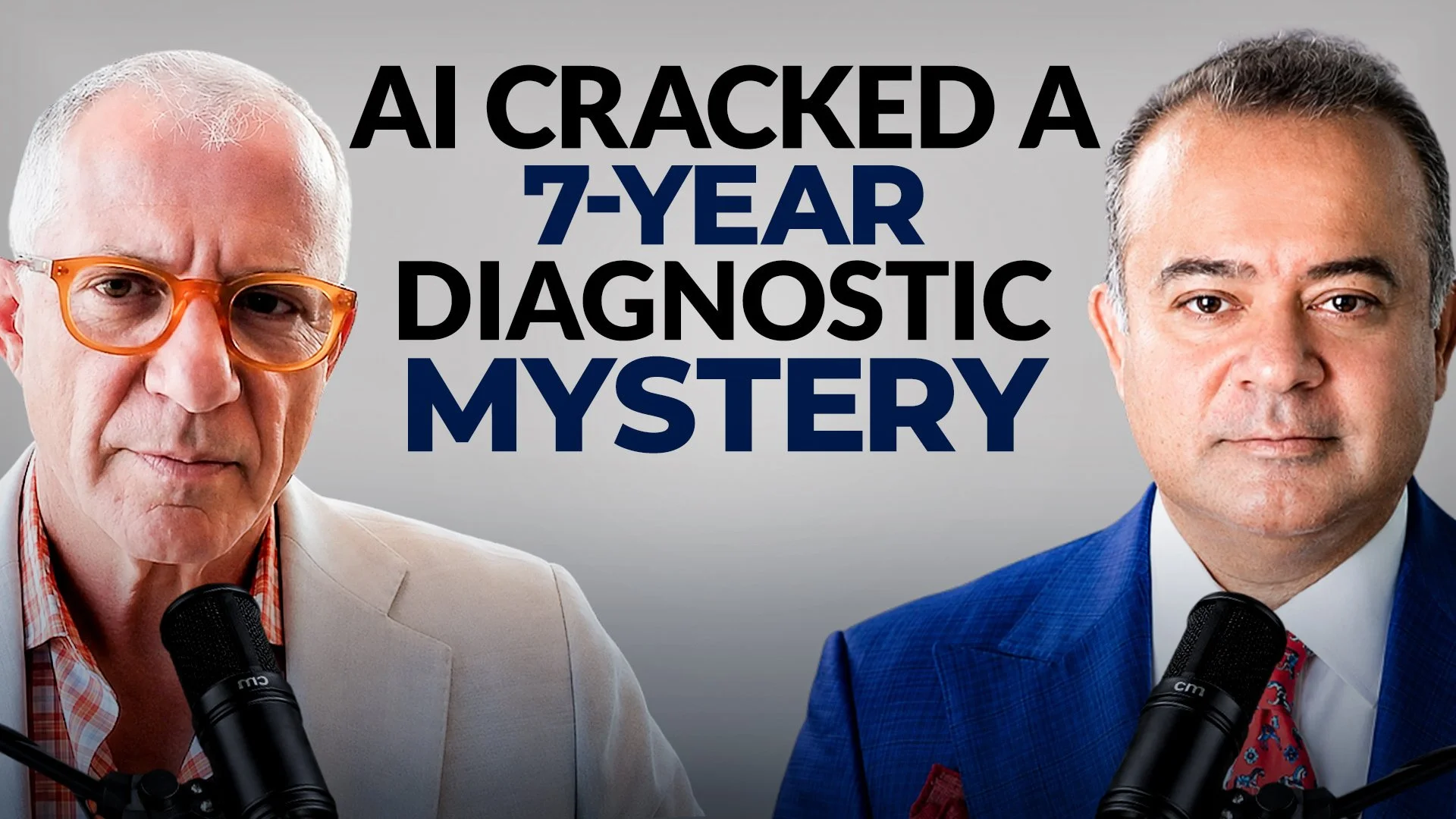
Why American Healthcare Is Fundamentally Broken and How AI Could Change It
Guest Spotlight: Richard Zane, MD
Richard Zane, MD is Chief Medical Officer and Chief Innovation Officer at UCHealth, a 15-hospital academic health system based in Aurora, Colorado, with $11 billion in annual revenue. He oversees system-wide clinical quality and safety while directing innovation strategy across digital transformation, industry partnerships, and new models of care delivery.
Previously, Dr. Zane served as the inaugural George Bedecker Professor and Chair of the Department of Emergency Medicine at the University of Colorado School of Medicine. He earned his medical degree from Temple University and completed his residency and fellowship training in emergency medicine at Johns Hopkins School of Medicine.
He shares a candid provider-side perspective on the challenges facing American healthcare, from rising costs and fragmented care to workforce shortages, rural healthcare, health plan incentives, and the transformative potential of AI.
Here are the 3 Key Takeaways from our Conversation:
1. American Healthcare Is Fundamentally Misaligned
Dr. Zane discusses that the US healthcare system faces a structural problem: the incentives of patients, providers, payers, and society are not consistently aligned. Fee-for-service models can reward delivering more care rather than preventing the need for care, while fragmented and increasingly complex systems make healthcare difficult to navigate. The challenge isn't a single broken component, it's thousands of interconnected problems that collectively drive higher costs, reduced access, and unnecessary complexity.
2. AI Could Fundamentally Transform How Medicine Is Practised
AI's greatest potential may be in helping physicians process information and recognise patterns at a scale that the human brain cannot. Dr. Zane shares a powerful example of using AI to help diagnose a patient who had suffered from severe leg pain for seven years despite seeing multiple physicians and specialists. He believes AI could give primary care physicians more time, broader diagnostic capabilities, and better decision-making support while helping reduce unnecessary referrals and administrative burden.
3. The Future of Healthcare Must Be More Integrated and Patient-Centred
Richard Zane envisions healthcare moving beyond isolated encounters toward a truly integrated episode of care. Whether care happens in a hospital, primary care office, retail setting, or through technology-enabled care should become less important. What matters is that all those interactions work together seamlessly. He also argues that rural healthcare, primary care, workforce shortages, and health plan structures all need to be fundamentally rethought rather than simply optimised within the existing system.
Listen to the full episode of When Health Freezes Over now!
👉 YouTube - https://www.youtube.com/channel/UC7CR1wzokjtVdyyWHLziUJQ/
👉 Spotify - https://open.spotify.com/show/3bRobaBZlM3IbCJ5334PJV?si=41aa6416371e4bc2
👉 Apple Podcast - https://podcasts.apple.com/us/podcast/when-health-freezes-over/id1887501951
#WhenHealthFreezesOver
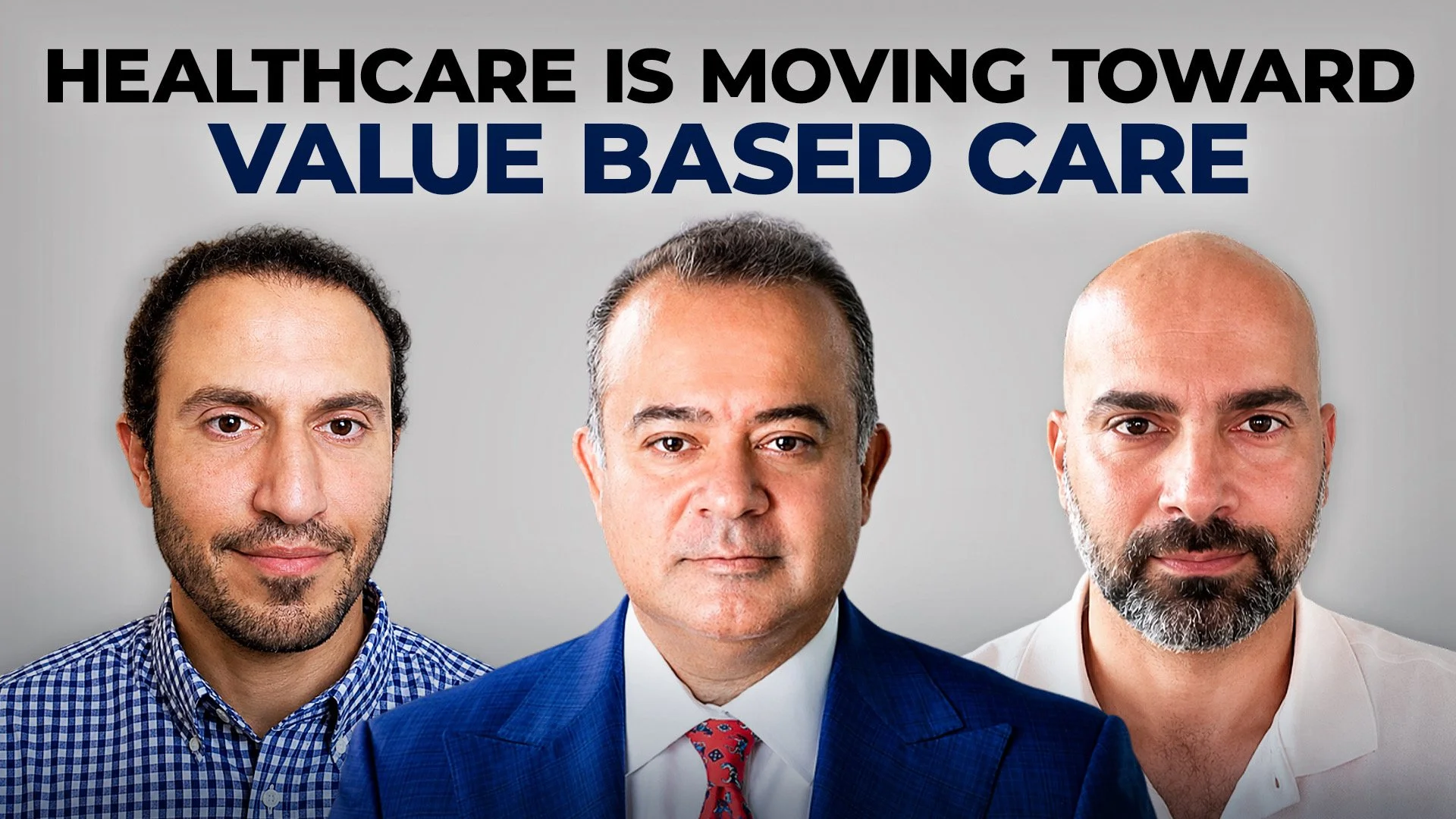
Why Value-Based Healthcare Is the Future of GCC Healthcare?
Host Spotlight: Mohamed Ali Ibrahim, ASA, MSC & Moe R. Elsheemy
Mohamed Ali Ibrahim, ASA, MSC serves as Vice Chairman of The Arab Actuarial Society - (‘AAS’). He is a senior actuary with extensive expertise across insurance and reinsurance, specialising in actuarial modelling, product development, strategic planning, risk management, and profit optimisation. He is a Life Leader & P&C Reserving and Capital Leader - Middle East, Insurance Consulting & Technology and Director - Actuarial at WTW, where he leads actuarial initiatives across the Middle East.
Moe R. Elsheemy is the Vice President of The Arab Actuarial Society - (‘AAS’). He is also an actuarial and analytics professional with expertise in modelling, data-driven strategy, digital and analytics solutions, and health and social care. He is a Senior Modelling Consultant at Crystallise Ltd, with extensive involvement in the Institute and Faculty of Actuaries and a particular interest in life and health insurance, healthcare financing, social care, and long-term care funding.
Here are the 3 Key Takeaways from our Conversation:
1. Value-Based Healthcare Is No Longer Optional
Saudi Arabia and the wider GCC are moving decisively away from traditional fee-for-service healthcare toward value-based care. Omar explains that this transition isn't simply a payment reform, it's a complete redesign of how healthcare is financed, measured, and delivered. For actuaries, this presents an opportunity to shape healthcare policy rather than merely respond to it.
2. The Future Actuary Must Be More Than a Technical Expert
Technical expertise alone is no longer enough. Successful health actuaries will need strong communication skills, proficiency in data analytics and AI, regulatory knowledge, and the ability to collaborate with clinicians, policymakers, and healthcare executives. Those who can translate complex analysis into strategic business decisions will lead the profession.
3. Saudi Arabia Could Become a Global Healthcare Financing Model
Saudi Arabia's healthcare reforms have the potential to become a blueprint for emerging markets worldwide. If the Kingdom can demonstrate measurable improvements in patient outcomes, lower healthcare costs, and stronger preventive care through value-based healthcare, its model could influence healthcare systems across the GCC, Asia, and Africa.
Listen to the full episode of When Health Freezes Over now!
👉 YouTube - https://www.youtube.com/channel/UC7CR1wzokjtVdyyWHLziUJQ/
👉 Spotify - https://open.spotify.com/show/3bRobaBZlM3IbCJ5334PJV?si=41aa6416371e4bc2
👉 Apple Podcast - https://podcasts.apple.com/us/podcast/when-health-freezes-over/id1887501951
#WhenHealthFreezesOver
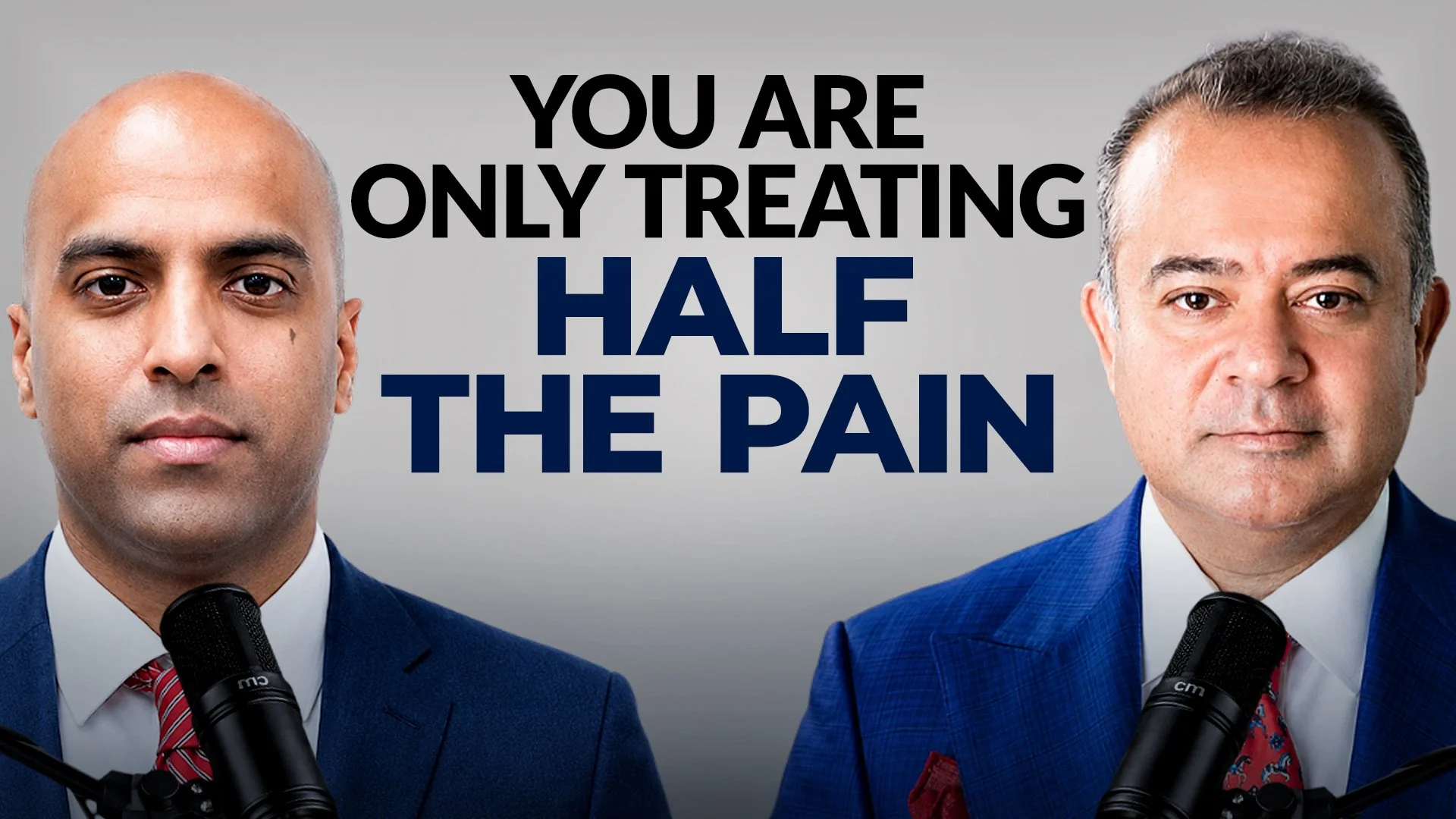
Understanding Chronic Pain: Why Treating the Mind Is Just as Important as Treating the Body
Guest Spotlight
Rohit Aiyer, M.D is a Double Board-Certified Interventional Pain Management Specialist and Psychiatrist whose work bridges the often-overlooked connection between chronic pain and mental health. He is Founder, CEO & Medical Director at Mind and Brain Link & MindPain Relief Institute, Rohit Aiyer specializes in psychopharmacology, treatment-resistant depression, intravenous ketamine therapy, and minimally invasive interventions for chronic pain. His integrated approach combines psychiatry and pain medicine to deliver personalized, evidence-based care that addresses both the physical and emotional dimensions of pain.
Beyond his clinical practice, He is also an accomplished researcher and educator dedicated to advancing innovation in pain medicine and psychiatry. As a Clinical Investigator, he leads Phase 2 and Phase 3 clinical trials while conducting research on neuromodulation, minimally invasive spine procedures, and emerging therapies for chronic pain. Throughout his work, Rohit Aiyer, M.D remains committed to improving patient outcomes through curiosity, compassion, collaboration, and scientific excellence.
Here are the 3 Key Takeaways from our Conversation:
1. Chronic Pain Is More Than a Physical Problem
One of the biggest misconceptions about chronic pain is that it's purely physical. Rohit Aiyer, M.D explains that pain is both a sensory and emotional experience. Anxiety, depression, PTSD, and past life experiences can all influence how pain is processed by the brain. Treating only the physical symptoms often leaves patients with incomplete relief, making a multidisciplinary approach essential.
2. Pain Management Isn't Just About Opioids
Modern pain management has shifted toward a multimodal approach. Depending on the individual, treatment may include physical therapy, minimally invasive procedures, medications, psychotherapy, acupuncture, neuromodulation, or regenerative therapies. While opioids still have an important role in specific situations particularly acute pain and cancer-related pain they are no longer considered the default long-term solution for chronic pain.
3. The Future of Pain Care Is Personalized
Rohit Aiyer highlights several emerging areas that could transform pain management over the next decade. Regenerative medicine, including platelet-rich plasma (PRP), neuromodulation techniques, and carefully selected ketamine therapy for treatment-resistant patients represent promising advances. The future of pain care is increasingly focused on individualized treatment plans that improve function and quality of life, not just pain scores.
Listen to the full episode of When Health Freezes Over now!
👉 YouTube - https://www.youtube.com/channel/UC7CR1wzokjtVdyyWHLziUJQ/
👉 Spotify - https://open.spotify.com/show/3bRobaBZlM3IbCJ5334PJV?si=41aa6416371e4bc2
👉 Apple Podcast -https://podcasts.apple.com/us/podcast/when-health-freezes-over/id1887501951
#WhenHealthFreezesOver
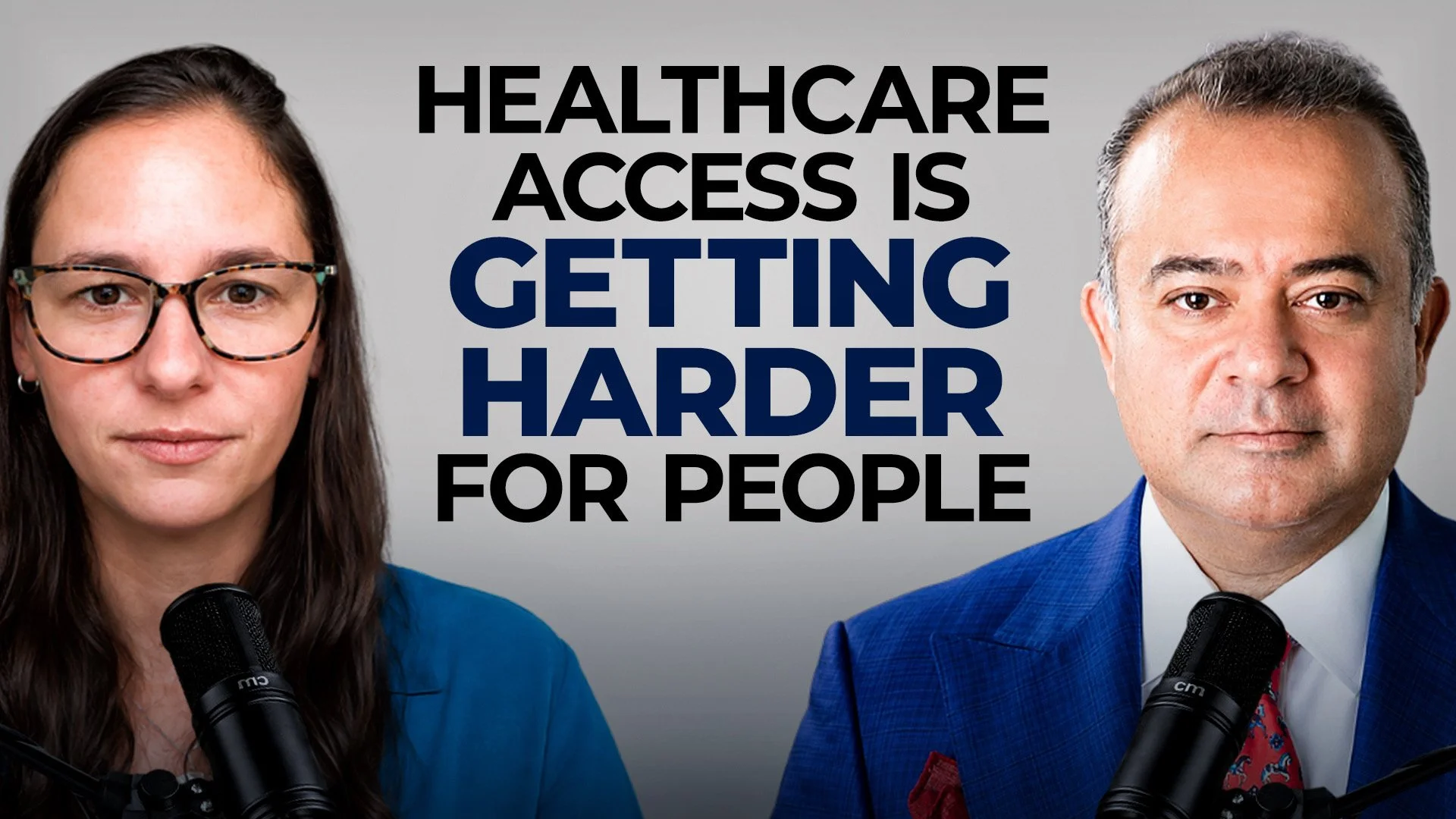
Medicaid Policy Changes, Mental Health Access & Work Requirements: What You Need to Know
Guest Spotlight
Deborah Steinberg is a Senior Health Policy Attorney at the Legal Action Center, where she works to expand equitable access to mental health and substance use disorder treatment across Medicaid, Medicare, and private insurance. She leads national advocacy efforts focused on enforcing the Mental Health Parity and Addiction Equity Act, improving addiction treatment coverage, and removing discriminatory barriers to care. With deep expertise in federal and state healthcare policy, Deborah provides valuable insight into how evolving Medicaid regulations affect patients, providers, and the broader healthcare system.
In addition to her policy advocacy, she serves as a consumer representative to the National Association of Insurance Commissioners (NAIC) and sits on the Board of Directors for the Mental Health Liaison Group. She holds a J.D. from Georgetown University Law Center and an M.P.H. from the Johns Hopkins Bloomberg School of Public Health, bringing together legal and public health expertise to advance behavioral healthcare policy nationwide.
Here are the 3 Key Takeaways from our Conversation:
1. Medicaid Cuts Go Beyond Funding They Threaten Access to Care
Recent Medicaid policy changes extend far beyond budget reductions. New work requirements, stricter eligibility reviews, cost-sharing provisions, and limits on state funding flexibility could make it significantly harder for millions of Americans to access mental health and substance use disorder treatment. While states retain some flexibility, federal funding decisions continue to shape how much protection they can realistically provide.
2. Administrative Barriers Can Be Just as Harmful as Coverage Cuts
One of the biggest concerns isn't simply losing benefits, it's the growing paperwork burden required to keep them. New community engagement requirements may force beneficiaries to document employment, education, or medical exemptions, creating major obstacles for individuals already managing mental health or substance use disorders. As Deborah explains, these are increasingly becoming "paperwork requirements" rather than true work requirements, putting eligible individuals at risk of losing coverage due to administrative complexity rather than ineligibility.
3. Solving the Mental Health Crisis Requires Investment, Not Retrenchment
The conversation highlights a difficult reality: demand for behavioral healthcare continues to rise while reimbursement challenges, workforce shortages, and provider burnout limit available care. Deborah argues that strengthening access requires investing in providers, supporting underserved communities, improving reimbursement models, and demonstrating the long-term return on investment that comes from preventing crises instead of paying for them after they occur. Sustainable policy solutions will require collaboration among policymakers, healthcare providers, actuaries, and patient advocates.
Listen to the full episode of When Health Freezes Over now!
👉 YouTube - https://www.youtube.com/channel/UC7CR1wzokjtVdyyWHLziUJQ/
👉 Spotify - https://open.spotify.com/show/3bRobaBZlM3IbCJ5334PJV?si=41aa6416371e4bc2
👉 Apple Podcast -https://podcasts.apple.com/us/podcast/when-health-freezes-over/id1887501951
#WhenHealthFreezesOver
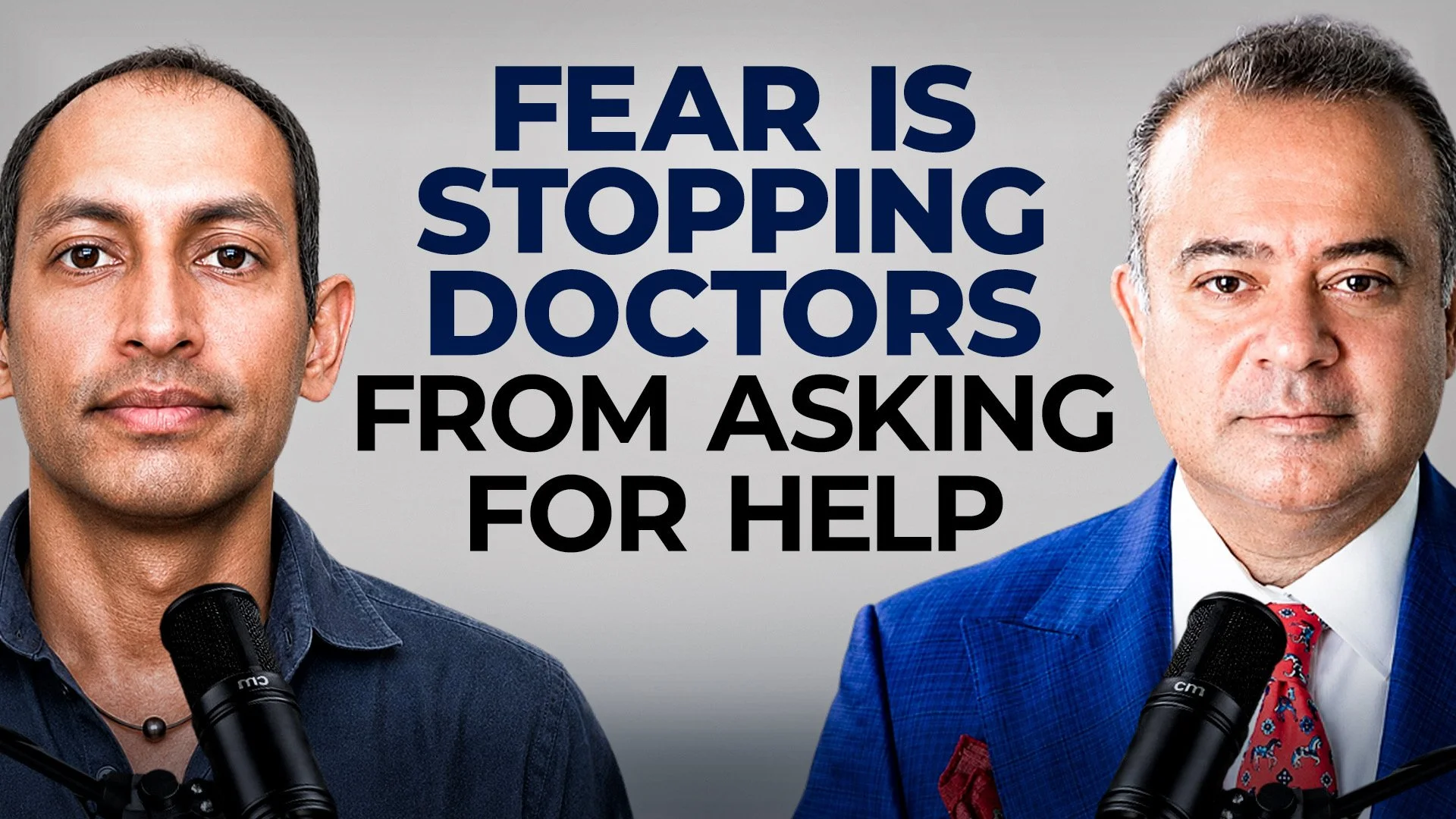
Physician Burnout, Mental Health & Recovery: Nishant D. Patel, MD, MBA on Fixing Healthcare from Within
Guest Spotlight
Nishant D. Patel, MD, MBA is the CEO and Founder of SafeHavenMD & Director of Urology at United Medical Doctors, He is also an entrepreneur, and physician wellness advocate whose mission is to transform how healthcare addresses clinician mental health. After experiencing burnout, depression, and alcohol use disorder during his own medical career, Nishant D. Patel, MD, MBA chose to share his story publicly, a decision that became the foundation for meaningful change. His journey from addiction and recovery to rebuilding his career gave him firsthand insight into the stigma, fear, and isolation many physicians face when seeking help. Rather than allowing those experiences to define him, he founded SafeHavenMD, a confidential physician support platform that connects healthcare professionals with peer support, wellness coaching, mental health resources, and trusted pathways to professional care.
Today, He continues practicing as a urologist while advocating for systemic changes that prioritize physician wellbeing alongside patient care. Through SafeHavenMD, he is helping shift the conversation from burnout as a personal weakness to recognizing it as a healthcare system challenge that requires compassion, confidentiality, and lasting cultural change.
Here are the 3 Key Takeaways from our Conversation:
1. Physician Burnout Is a System Problem, Not a Personal Failure
Nishant explains that burnout isn't caused by a lack of resilience; it's the result of increasing administrative burdens, loss of autonomy, overwhelming workloads, and healthcare systems that often prioritize productivity over people. Supporting physicians isn't just the right thing to do; it leads to better patient outcomes, higher retention, and healthier organizations.
2. Confidentiality and Peer Support Save Lives
Many physicians avoid seeking help because they fear professional consequences, damaged reputations, or losing their medical licenses. He believes meaningful recovery begins when clinicians can speak openly with peers who have lived through similar experiences. Trust, confidentiality, and shared understanding are often more powerful than traditional wellness initiatives.
3. Healthcare Must Restore the Humanity Behind Medicine
Medicine is built on caring for others, but too often clinicians neglect their own wellbeing. Nishant argues that healthcare organizations must move beyond checkbox wellness programs and create environments where physicians feel supported, respected, and empowered to seek help without stigma. Caring for caregivers is essential to sustaining the future of healthcare.
Listen to the full episode of When Health Freezes Over now!
👉 YouTube - https://www.youtube.com/channel/UC7CR1wzokjtVdyyWHLziUJQ/
👉 Spotify - https://open.spotify.com/show/3bRobaBZlM3IbCJ5334PJV?si=41aa6416371e4bc2
👉 Apple Podcast -https://podcasts.apple.com/us/podcast/when-health-freezes-over/id1887501951
#WhenHealthFreezesOver
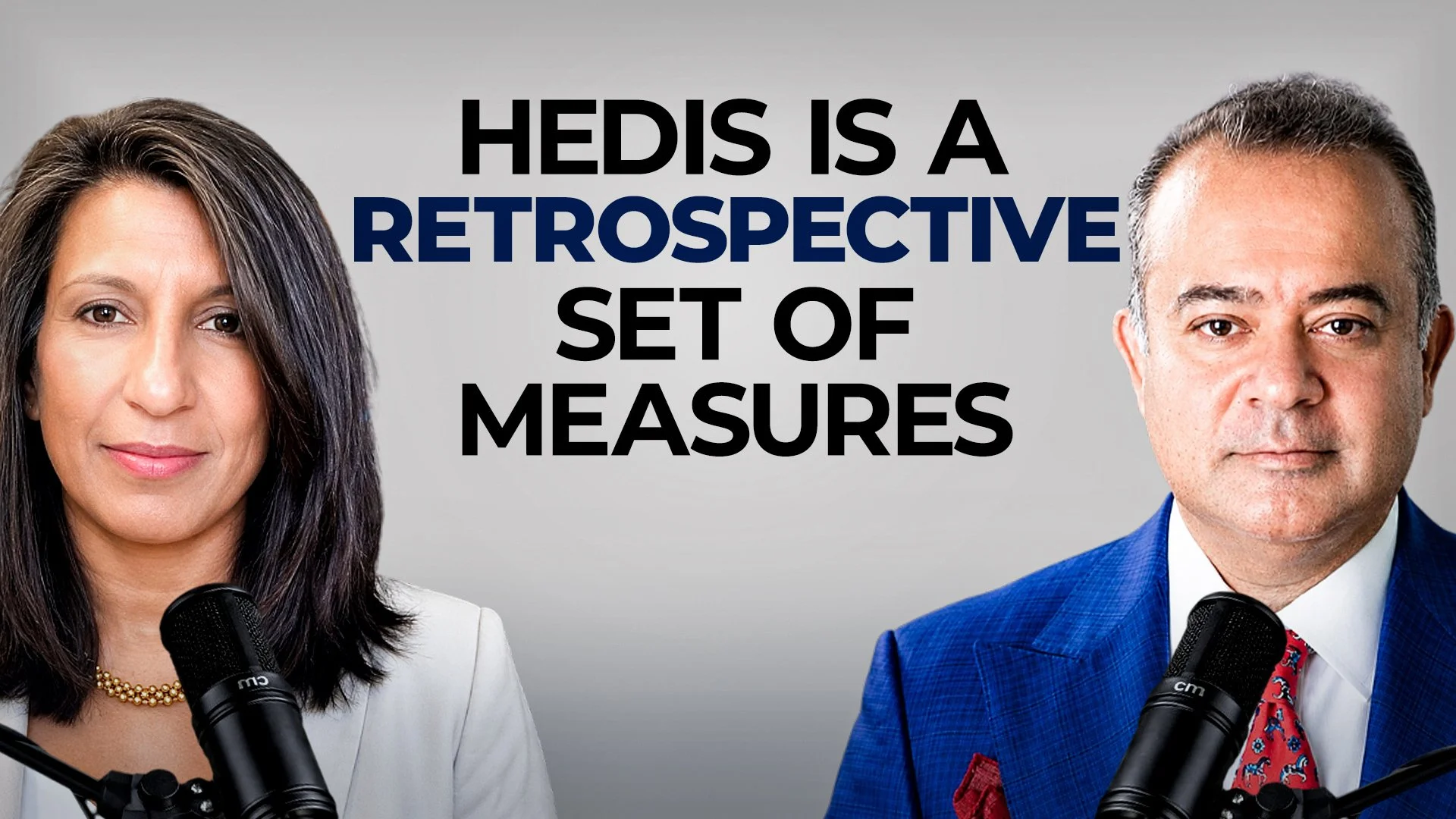
HEDIS, Value-Based Care, and the Future of Healthcare Quality with Vandna Bhrany MPH
Guest Spotlight:
Vandna Bhrany MPH is Managing Partner at 8B Advisors, LLC and a healthcare quality and value-based care executive with more than two decades of experience driving quality improvement across health plans, consulting organizations, and healthcare technology companies. Throughout her career, she has partnered with payers, providers, and digital health innovators to design and implement strategies that improve HEDIS performance, enhance patient outcomes, and support the transition to value-based care.
With deep expertise in healthcare quality measurement, regulatory programs, population health management, and operational transformation, Vandna has worked at the intersection of clinical care, technology, and business strategy. Her experience gives her a comprehensive understanding of the challenges healthcare organizations face from closing care gaps and improving member engagement to leveraging data and interoperability for more effective decision-making.
Here are the 3 Key Takeaways from our Conversation:
1. Quality Measurement Is About More Than Compliance
HEDIS has played a significant role in standardizing healthcare quality across the industry, but achieving high performance requires much more than checking boxes. As organizations mature, incremental improvements become increasingly difficult, requiring stronger provider engagement, better workflows, and continuous quality improvement rather than one-time interventions.
2. Better Data Leads to Better Care
One of the biggest barriers to improving healthcare quality is fragmented and delayed data. Vandna explains why interoperability, real-time clinical information, and predictive analytics are becoming essential for identifying care gaps earlier, coordinating across providers, and delivering more proactive patient care.
3. The Future of Value-Based Care Depends on Collaboration
Healthcare quality cannot improve in isolation. Success requires collaboration between health plans, providers, technology companies, and community organizations. As healthcare continues shifting toward value-based care, organizations that effectively integrate data, align incentives, and keep patients at the center of decision-making will be best positioned to improve outcomes while controlling costs.
Listen to the full episode of When Health Freezes Over now!
👉 YouTube - https://www.youtube.com/channel/UC7CR1wzokjtVdyyWHLziUJQ/
👉 Spotify - https://open.spotify.com/show/3bRobaBZlM3IbCJ5334PJV?si=41aa6416371e4bc2
👉 Apple Podcast - https://podcasts.apple.com/us/podcast/when-health-freezes-over/id1887501951
#WhenHealthFreezesOver
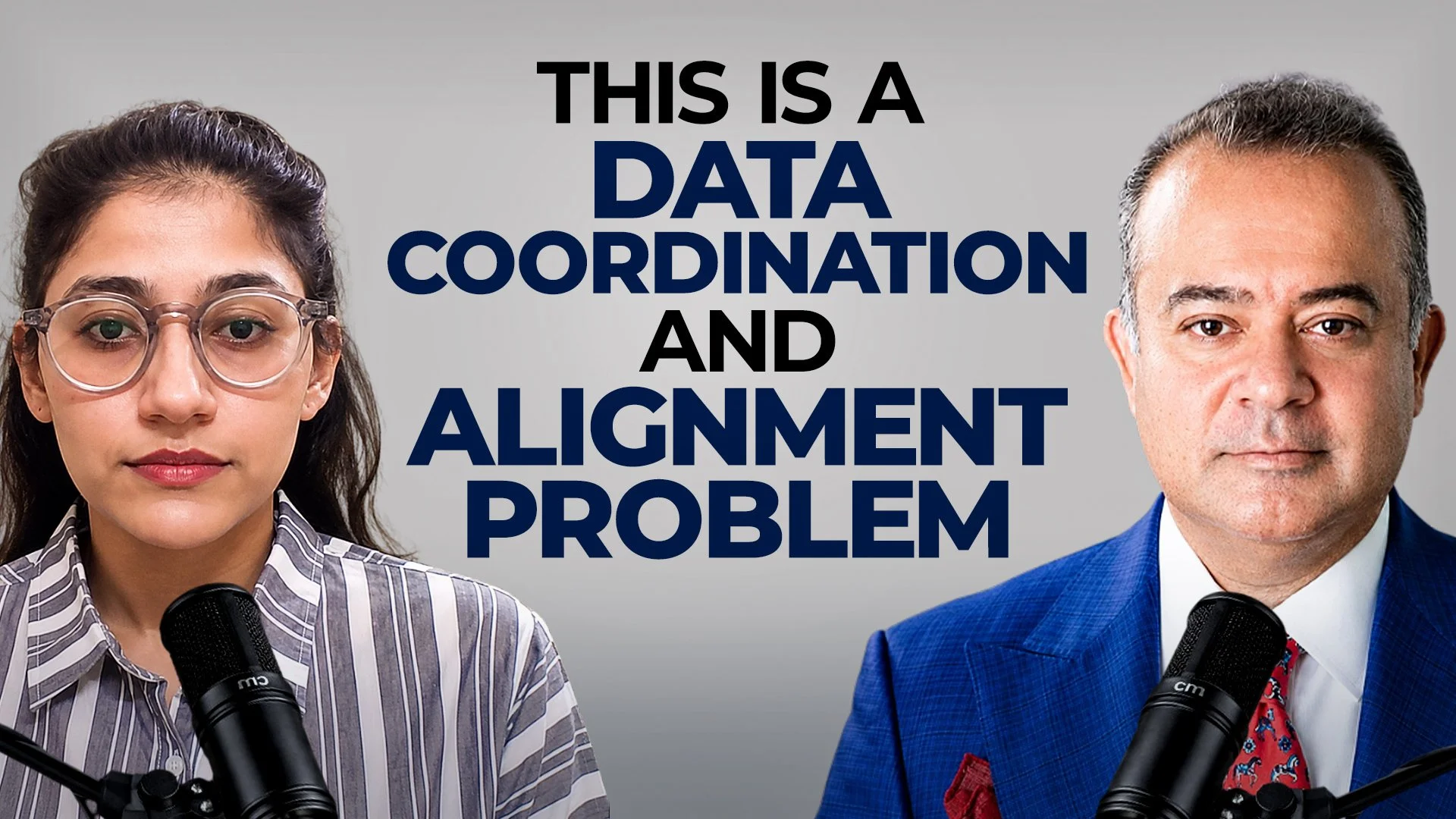
Why Value-Based Care Still Struggles: Data, Incentives & AI in Healthcare Operations
Guest Spotlight:
Mahrukh Saif is the Principal Consultant | Value-Based Care Strategy at HQI Strategiesand a healthcare consultant specializing in the operational realities of value-based care. With expertise in healthcare analytics, data science, and quality improvement, she helps healthcare organizations bridge the gap between value-based care strategy and day-to-day clinical operations. Her work focuses on care gap management, quality incentive programs, payer-provider alignment, population health, workflow optimization, and the growing role of artificial intelligence in healthcare. Mahrukh collaborates with physician practices, healthcare organizations, private equity firms, and investment groups to improve operational performance, strengthen quality outcomes, and navigate the complexities of value-based reimbursement models.
Recognized for her analytical approach and thought leadership, Mahrukh regularly shares insights on healthcare operations, payer incentives, data transparency, and emerging technologies shaping the future of value-based care. Through her work, she is committed to helping healthcare organizations build more efficient, data-driven systems that improve patient outcomes while supporting long-term financial sustainability.
Here are the 3 Key Takeaways from our Conversation:
1. Value-Based Care Often Fails Before Clinical Care Begins
One of the strongest insights from the conversation was that many value-based care challenges are not clinical failures, they are data and operational failures.
Providers may receive inaccurate or outdated care gap lists, fragmented reporting from multiple health plans, and conflicting quality requirements. This can lead to wasted appointments, unnecessary outreach, and frustrated clinicians, even when patients are receiving appropriate care.
2. Incentive Design Shapes Provider Behavior
Mahrukh emphasized that quality incentive programs do more than reward performance—they influence what clinics prioritize.
Measures tied to larger bonuses or tighter deadlines naturally receive more attention than measures with smaller incentives or longer timelines. This can unintentionally push important issues such as depression screening, anxiety screening, and social determinants of health (SDOH) lower on the operational priority list.
3. AI Can Help but It Won't Fix a Broken Operating System
The discussion challenged the common belief that AI will automatically solve value-based care problems.
AI can improve risk stratification, patient prioritization, and decision support. However, it struggles with payer-specific contract rules, attribution logic, documentation requirements, and fragmented data systems.
As Mahrukh put it, automation may simply help organizations move through fragmentation faster, while AI may help them analyze fragmentation more intelligently.
Listen to the full episode of When Health Freezes Over now!
👉 YouTube - https://www.youtube.com/channel/UC7CR1wzokjtVdyyWHLziUJQ/
👉 Spotify - https://open.spotify.com/show/3bRobaBZlM3IbCJ5334PJV?si=41aa6416371e4bc2
👉 Apple Podcast -https://podcasts.apple.com/us/podcast/when-health-freezes-over/id1887501951
#WhenHealthFreezesOver
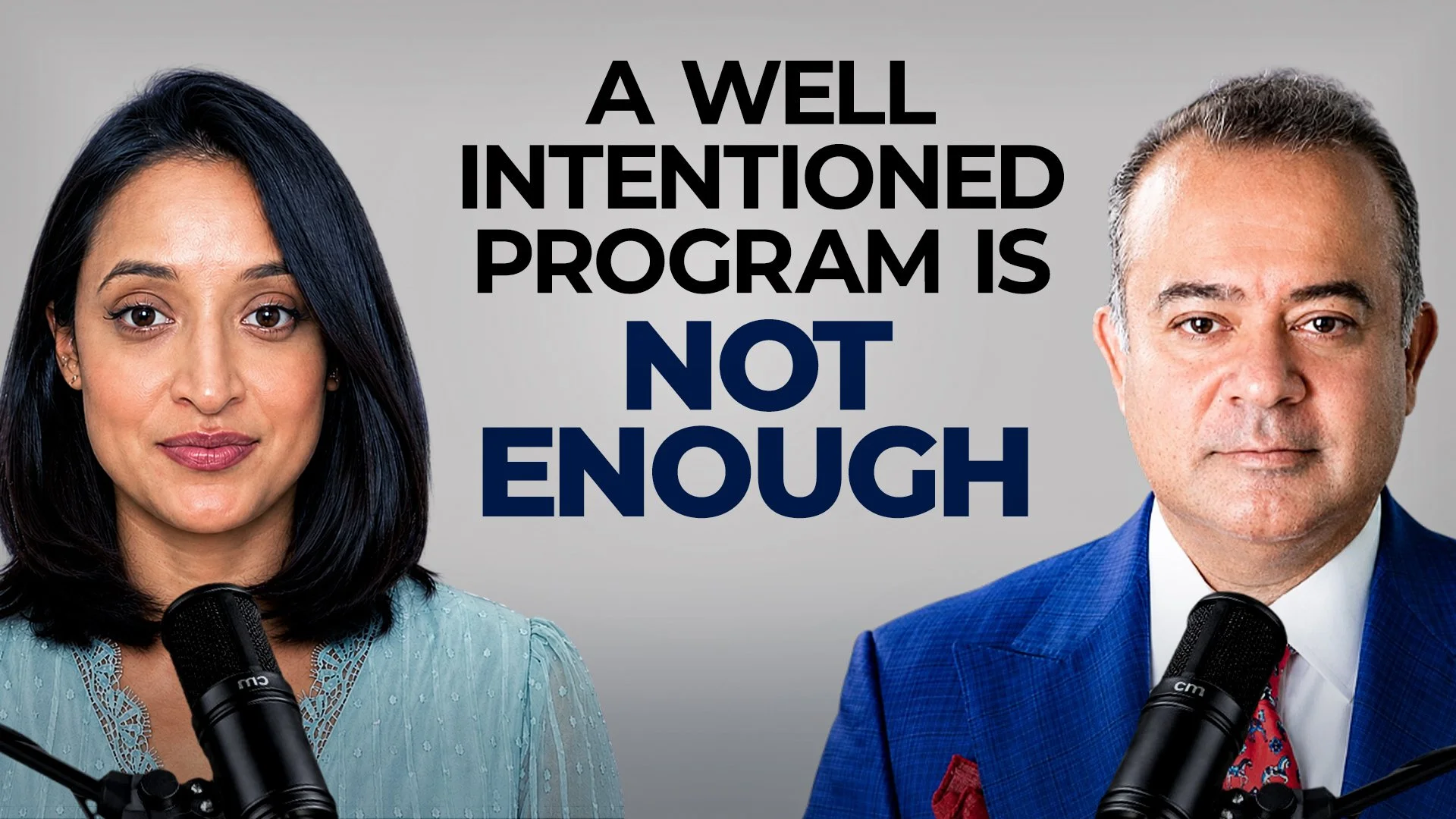
From Food as Medicine to Fundable Healthcare: Making Social Care Sustainable
Guest Spotlight:
Christina Y. Rodriguez is the Founder & Publisher at Pull and Podcast Host & Producer of Outcomes - Podcast. She is also a healthcare strategist, former licensed medical social worker. Her work sits at the intersection of health equity, value-based care, and healthcare finance, helping organizations determine which social care programs can deliver measurable outcomes and sustainable returns.
With a background spanning frontline care, healthcare leadership, and executive business strategy, Christina brings a unique perspective on how social determinants of health impact both patient outcomes and financial performance. She is particularly focused on transforming Food-as-Medicine and other social care initiatives from short-term pilots into scalable, fundable components of modern healthcare systems.
Key Takeaways from the Conversation
1. Health Plans Aren't Buying Services They're Buying Risk Reduction
One of the biggest misconceptions in social care is assuming that health plans pay for services like meals, transportation, or housing support. In reality, they're investing in reduced risk, lower costs, improved outcomes, and greater member stability. Programs that fail to connect their services to measurable risk reduction often struggle to secure long-term funding.
2. Great Pilots Fail Without a Financial Story
Many social care initiatives demonstrate positive outcomes but never scale because they can't clearly show who benefited, how much value was created, and over what timeframe. Christina emphasizes that moving from pilot to infrastructure requires finance-grade measurement, operational discipline, and a clear business case.
3. The Future of Social Care Is Payable, Durable, and Defensible
Successful programs follow a progression: they become payable by proving value, durable by integrating into operations, and defensible through strong evidence and governance. Organizations that build around this framework are far more likely to secure sustainable funding and long-term impact.
As healthcare continues shifting toward value-based care, the organizations that thrive will be those that can translate social impact into measurable business outcomes without losing sight of the people they're serving.
Listen to the full episode of When Health Freezes Over now!
👉 YouTube - https://www.youtube.com/channel/UC7CR1wzokjtVdyyWHLziUJQ/
👉 Spotify - https://open.spotify.com/show/3bRobaBZlM3IbCJ5334PJV?si=41aa6416371e4bc2
👉 Apple Podcast - https://podcasts.apple.com/us/podcast/when-health-freezes-over/id1887501951
#WhenHealthFreezesOver
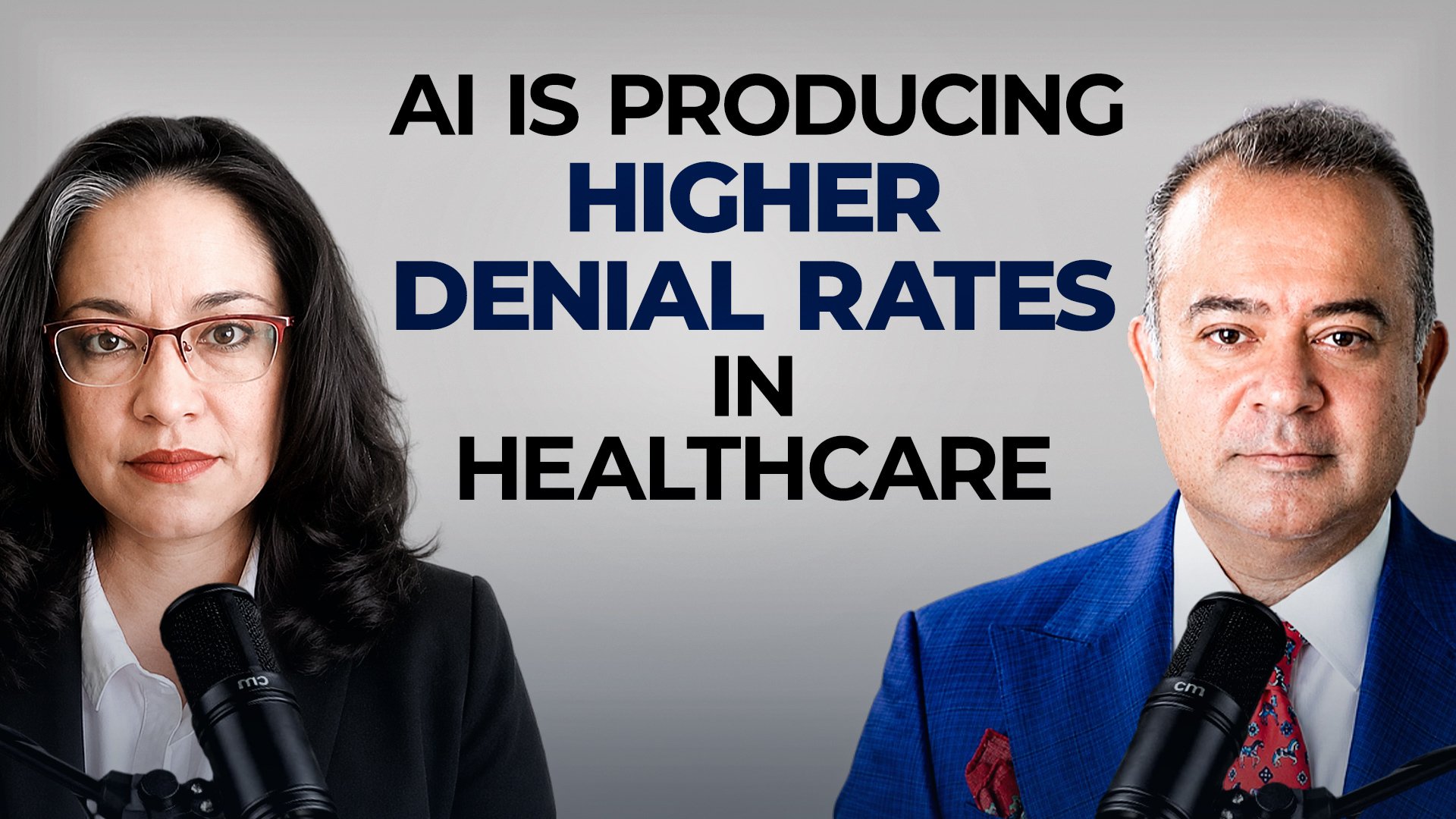
Healthcare AI at a Crossroads: Governance, Equity, and Accountability
Guest Spotlight:
January Montaño, MPS is the CEO and Founder at January's Advisory Group, a Denver-based AI governance consultancy focused on helping healthcare organizations build AI systems that are equitable, auditable, and financially sustainable. With nearly 30 years of experience across healthcare policy, Medicaid, public health, and healthcare operations, she has advised health plans, hospitals, and government agencies on improving outcomes for diverse patient populations.
Her career includes writing Medicaid policy, leading international PPE procurement efforts for Colorado during the COVID-19 pandemic, serving on Governor Jared Polis’ healthcare affordability roadmap, and testifying before the Colorado General Assembly on algorithmic bias in artificial intelligence. January is also the creator of the ROI Equity Framework, a methodology designed to help organizations evaluate both the financial and equity impacts of AI deployment.
Here are the 3 Key Takeaways from our Conversation:
1. AI Without Governance Can Deepen Inequities
AI systems are already influencing claims processing, prior authorization, and care delivery. But without strong governance frameworks, these tools risk reinforcing existing biases in healthcare access and outcomes. Organizations must establish accountability, oversight, and auditing processes before deploying AI at scale.
2. Health Equity Is Also a Business Strategy
One of the episode’s strongest messages is that equity and financial performance are not competing goals. By identifying equity gaps and addressing social determinants of health, healthcare organizations can improve patient outcomes while reducing costs and generating sustainable value.
3. The Future of Healthcare AI Depends on Accountability
Healthcare organizations not vendors often carry the legal and operational responsibility when AI systems fail. Leaders must move beyond viewing AI as just another software tool and instead treat it as an enterprise-wide transformation requiring executive ownership and continuous oversight.
As AI adoption accelerates, the organizations that succeed will be those that build systems that are not only innovative, but also transparent, equitable, and accountable.
Listen to the full episode of When Health Freezes Over now!
👉 YouTube - https://www.youtube.com/channel/UC7CR1wzokjtVdyyWHLziUJQ/
👉 Spotify - https://open.spotify.com/show/3bRobaBZlM3IbCJ5334PJV?si=41aa6416371e4bc2
👉 Apple Podcast - https://podcasts.apple.com/us/podcast/when-health-freezes-over/id1887501951
#WhenHealthFreezesOver
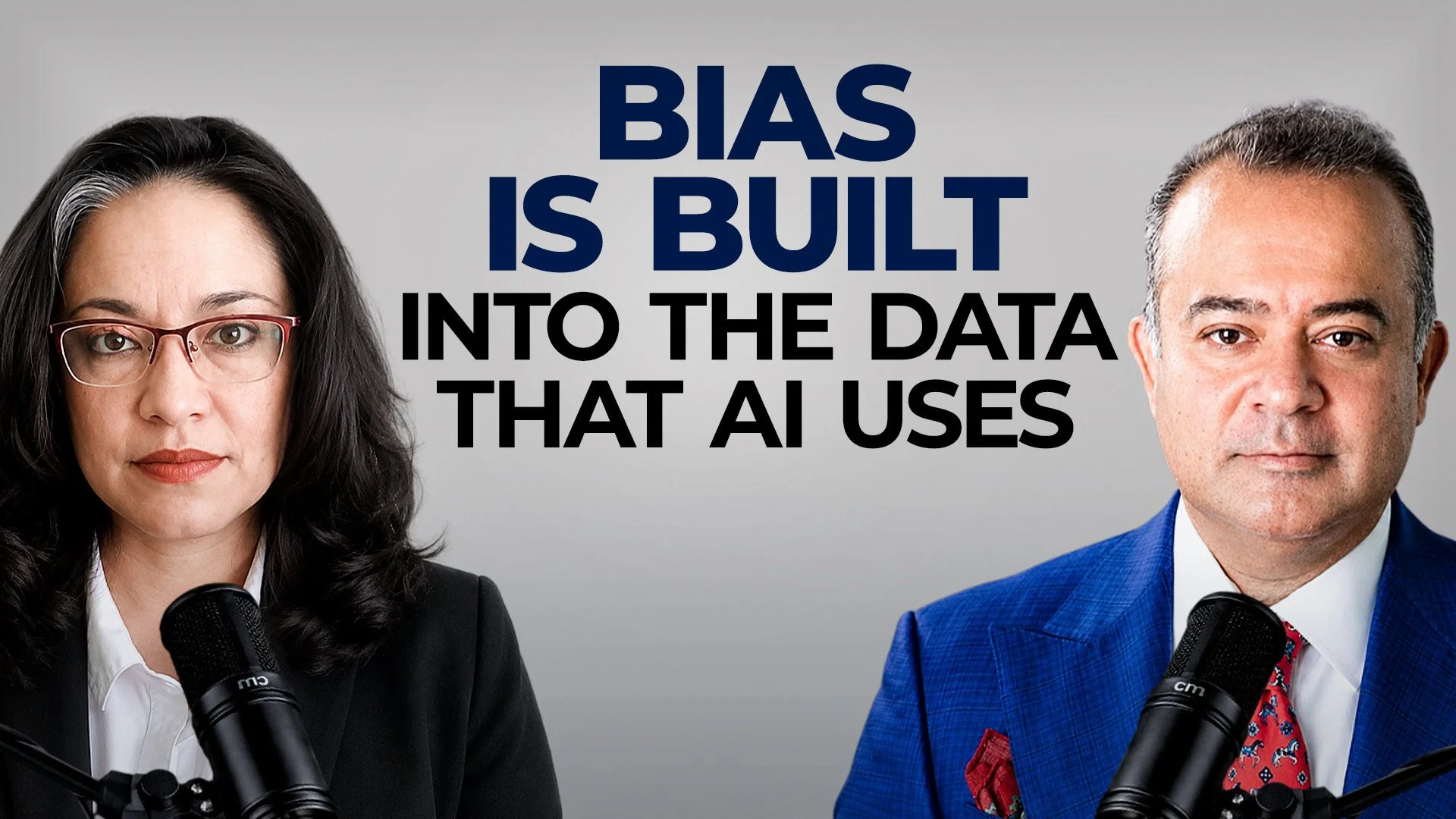
AI, Equity, and Accountability: What Every Healthcare Leader Needs to Know Before Deploying AI
Guest Spotlight:
January Montaño, MPS is the CEO and Founder at January's Advisory Group, a Denver-based AI governance consultancy focused on helping healthcare organizations build AI systems that are equitable, auditable, and financially sustainable. With nearly 30 years of experience across healthcare policy, Medicaid, public health, and healthcare operations, she has advised health plans, hospitals, and government agencies on improving outcomes for diverse patient populations.
Her career includes writing Medicaid policy, leading international PPE procurement efforts for Colorado during the COVID-19 pandemic, serving on Governor Jared Polis’ healthcare affordability roadmap, and testifying before the Colorado General Assembly on algorithmic bias in artificial intelligence. January is also the creator of the ROI Equity Framework, a methodology designed to help organizations evaluate both the financial and equity impacts of AI deployment.
Here are the 3 Key Takeaways from our Conversation:
1. AI Is Only as Fair as the Data It Learns From
One of the biggest misconceptions about AI is that it operates objectively. In reality, AI learns from historical healthcare data and that data often reflects longstanding disparities in access, utilization, and outcomes.
As January explained, algorithms can unintentionally use factors such as ZIP codes, healthcare utilization patterns, and socioeconomic indicators as proxies for race and income. The result is that certain populations may be assigned lower risk scores, experience longer wait times, or receive less accurate recommendations not because of their health status, but because of historical inequities embedded in the data.
The lesson: AI does not create bias, but it can rapidly scale existing bias if organizations fail to audit for it.
2. AI Has Tremendous Potential But Governance Determines the Outcome
From identifying rare diseases earlier to reducing physician burnout and improving fraud detection, AI is already delivering meaningful benefits across healthcare.
However, the difference between a successful AI deployment and a harmful one comes down to governance.
January emphasized that healthcare organizations must move beyond asking vendors about efficiency and accuracy. Instead, leaders should demand evidence of equity testing, differential error rate analyses, model validation across diverse populations, and clearly defined accountability structures.
Without these safeguards, organizations may unknowingly deploy tools that create financial, operational, and legal risks while impacting patient care.
3. Accountability for AI Decisions Still Rests with Healthcare Organizations
One of the most important themes from the discussion was liability.
As courts begin examining AI-related healthcare decisions, early cases suggest that health plans and provider organizations, not technology vendors, are being held accountable when AI-driven decisions result in denied care or patient harm.
This creates an urgent need for CEOs, CIOs, compliance leaders, and actuaries to establish robust governance frameworks before implementation. Organizations must know who owns each AI model, how performance is monitored, and what processes exist to identify and correct unintended consequences.
The message is clear: adopting AI without governance is no longer a technology risk it is an enterprise risk.
As AI adoption accelerates across healthcare, the organizations that succeed will not simply be the ones that implement AI the fastest. They will be the ones that deploy it responsibly, transparently, and equitably.
Listen to the full episode of When Health Freezes Over now!
👉 YouTube - https://www.youtube.com/channel/UC7CR1wzokjtVdyyWHLziUJQ/
👉 Spotify - https://open.spotify.com/show/3bRobaBZlM3IbCJ5334PJV?si=41aa6416371e4bc2
👉 Apple Podcast - https://podcasts.apple.com/us/podcast/when-health-freezes-over/id1887501951
#WhenHealthFreezesOver
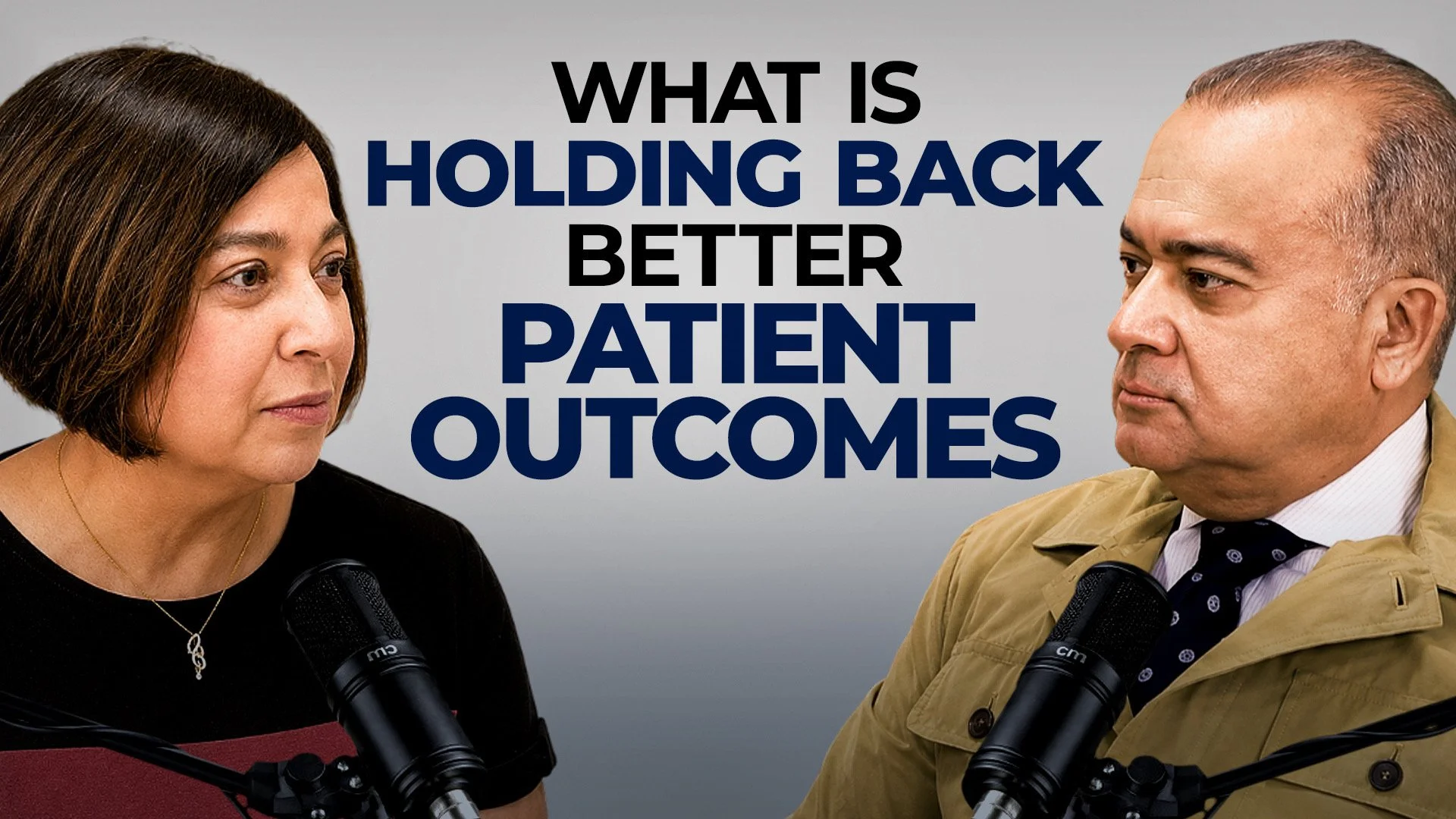
Beyond Cost Cutting: What Healthcare Gets Wrong About Population Health
Guest Spotlight:
Parul Mistry, MD, MA, is a physician executive with more than 20 years of leadership experience across various aspects of healthcare including Medicaid managed care, provider systems, payment integrity, and digital health. She has led enterprise efforts in population health, utilization management transformation, quality improvement, clinical operations, with a strong focus on improving outcomes for vulnerable populations. Dr. Mistry has helped drive measurable gains in quality performance, care coordination, readmissions reduction, and member engagement, while aligning clinical strategy with operational and financial performance. Her work sits at the intersection of medical management, population health, digital innovation, and scalable solutions to address healthcare challenges.
Here are the 3 Key Takeaways from our Conversation:
1. Population Health Must Move Beyond “Managing Sickness”
One of the strongest themes from the discussion was the difference between traditional reactive care and proactive population health.
Parul Mistry explained that healthcare systems still spend most of their energy reacting to illness instead of preventing deterioration before it happens.
She emphasized that successful population health requires:
Data analytics
Risk stratification
Preventive outreach
Behavioral health integration
Social determinants of health (SDOH)
Provider collaboration
The challenge? Healthcare data remains fragmented across silos, making true “whole person care” difficult to achieve.
2. Social Determinants of Health Are Still Massively Underfunded
The discussion highlighted key SDOH challenges, including food insecurity, housing instability, transportation barriers, literacy, and limited access to primary care
Parul noted that while healthcare organizations have improved at identifying these issues, many still struggle to fund and operationalize sustainable solutions. She emphasized continued underinvestment in:
Community support systems
Primary care infrastructure
Preventive services
Long-term health initiatives
Because measurable outcomes often take years to emerge, many organizations discontinue programs prematurely due to short-term ROI expectations.
3. AI Has Enormous Potential - If Used Responsibly
The conversation also explored the growing role of AI in healthcare and population health management.
Parul highlighted several promising use cases:
AI can help:
Analyze massive healthcare datasets
Identify high-risk members earlier
Improve predictive analytics
Personalize patient engagement
Extract meaningful insights from medical records
Support health equity initiatives
Importantly, she stressed that AI should not replace clinical and care management expertise.
Rather than focusing solely on administrative automation, Parul Mistry believes AI’s greatest value lies in enabling earlier intervention and better health outcomes.
Listen to the full episode of When Health Freezes Over now!
👉 YouTube - https://www.youtube.com/channel/UC7CR1wzokjtVdyyWHLziUJQ/
👉 Spotify - https://open.spotify.com/show/3bRobaBZlM3IbCJ5334PJV?si=41aa6416371e4bc2
👉 Apple Podcast -https://podcasts.apple.com/us/podcast/when-health-freezes-over/id1887501951
#WhenHealthFreezesOver
Medicaid Isn’t Broken, It’s Misunderstood: Why Policy, Perception, and Presence Matter More Than Ever
Guest Spotlight:
Christopher Drumm is the founder of Drumm and Daughters LLC and a seasoned healthcare lobbyist and policy strategist with decades of experience spanning public service, politics, and managed care. A Philadelphia native raised in the city’s Mayfair neighborhood, Christopher built his foundation in local ward politics before advancing into government affairs and healthcare advocacy.
A graduate of Saint Joseph’s Prep and La Salle University, Christopher began his political career in the 1980s and became the youngest-ever Leader of Philadelphia’s 63rd Ward in 1987. Over the years, he has held leadership roles with Philadelphia City Council, Saint Joseph’s University, and spent more than 20 years leading government affairs at AmeriHealth Caritas, where he played a key role in expanding managed care programs across multiple states and advocating for Pennsylvania’s Medicaid population.
Having worked at the city, state, and federal levels, Christopher has helped shape Medicaid policy, secure public funding, and navigate the complex intersection of healthcare delivery and public policy. Today, through Drumm and Daughters LLC, he continues advising on healthcare policy, distressed hospitals, access to care, and the future of managed care across the Commonwealth.
Here are the 3 Key Takeaways from our Conversation:
1. Managed care delivers value but no one is telling the story well
Managed Medicaid has largely succeeded in doing what it was designed to do: control costs while improving access and outcomes. But that success isn’t widely understood. The problem isn’t performance, it’s perception.
Health plans often assume results speak for themselves. They don’t. Legislators change. Stakeholders rotate. And without constant education and communication, even proven models can lose support. If you’re not telling your story, someone else will and they may not get it right.
2. Medicaid is being shaped by beliefs, not just budgets
Today’s biggest challenges in Medicaid aren’t purely financial,they’re philosophical.
Policies like work requirements and eligibility restrictions are driven by deeply held beliefs about self-reliance and government support. That makes them harder to debate, and even harder to change.
The result:
Increased member churn due to frequent eligibility checks
Financial instability for health plans
Uncertainty in forecasting and long-term planning
When policy is rooted in ideology, data alone isn’t enough to influence decisions.
3. Relationships win. Always.
Behind every policy decision is a person. And behind every successful expansion, negotiation, or turnaround is a relationship.
Christopher emphasized that lobbying isn’t just strategy it’s presence.
You have to:
Show up consistently
Build trust over time
Understand what matters to each decision-maker
Whether it’s expanding into a new state or advocating for funding, the differentiator isn’t always the best argument, it's the strongest relationship.
In his words, it’s like “playing smothering defense but being charming enough that they don’t notice.”
Listen to the full episode of When Health Freezes Over now!
👉 YouTube - https://www.youtube.com/channel/UC7CR1wzokjtVdyyWHLziUJQ/
👉 Spotify - https://open.spotify.com/show/3bRobaBZlM3IbCJ5334PJV?si=41aa6416371e4bc2
👉 Apple Podcast - https://podcasts.apple.com/us/podcast/when-health-freezes-over/id1887501951
#WhenHealthFreezesOver
Understanding Mental Health: The Key to Better Support, Treatment, and Member Care
Guest Spotlight:
Dr. Nadeem Shamsi is a board-certified psychiatrist with over 20 years of experience. He has been practicing since 1999, primarily in outpatient care, and currently runs a private practice in Plymouth Meeting, Pennsylvania. He is a Member of American Psychiatric Association & a Diplomate of American Board of Psychiatry. Dr. Shamsi specializes in psychiatric evaluations, medication management, and psychotherapy, helping patients stabilize and return to their normal levels of functioning. His practice serves a broad area, providing care to individuals from multiple counties, with a focus on comprehensive mental health treatment.
His work revolves around understanding mental health conditions and providing comprehensive care for patients. He helps individuals address issues like depression, ADHD, and bipolar disorder by focusing on both medication management and psychotherapy. His approach combines proper diagnostic evaluation with tailored treatment plans that prioritize the patient’s needs. Dr. Shamsi’s practice aims to guide individuals toward stability, helping them regain their normal level of functioning and improve their overall quality of life.
Here are the 3 Key Takeaways from our Conversation:
Mental health is often misunderstood and neglected
Mental health conditions, like depression and ADHD, are complex and can be difficult to recognize. While physical health issues receive more attention, mental health problems like suicide and substance abuse often go unnoticed until it’s too late. Many people, especially younger ones, suffer in silence, masking their pain until it reaches a crisis point. Early intervention and awareness are critical to improving outcomes.
Medication is a crucial but challenging part of treatment
Psychiatrists play a key role in managing medication for mental health patients, but prescribing the right medication is only part of the solution. Many patients struggle with side effects, making it harder to stay on track with their treatment. Addressing these side effects and ensuring compliance are just as important as finding the right drug for each individual.
Family support is essential for mental health recovery
Families play a vital role in recognizing symptoms and supporting patients through their mental health journey. They can help ensure that patients follow treatment plans and seek additional care when necessary. Whether it’s for depression, ADHD, or bipolar disorder, a strong support system can make a significant difference in a patient’s recovery and overall well-being.
Listen to the full episode of When Health Freezes Over now!
👉 YouTube - https://www.youtube.com/channel/UC7CR1wzokjtVdyyWHLziUJQ/
👉 Spotify - https://open.spotify.com/show/3bRobaBZlM3IbCJ5334PJV?si=41aa6416371e4bc2
👉 Apple Podcast - https://podcasts.apple.com/us/podcast/when-health-freezes-over/id1887501951
#WhenHealthFreezesOver
The Burnout Epidemic - How to Fix Culture and Save The Industry
Guest Spotlight
Rosa M. Colon-Kolacko is the President & Founder of Global Equity Learning, Part-Time Adjunct Professor at Tufts University School of Medicine, and Executive Leadership Team Member (Chair of the Board) at Health Equity Compact. She is also a visiting researcher at Bentley University’s business department and the founder of NeedHumans. A global healthcare strategist with deep experience across pharma, health systems, and organizational transformation.
She has worked across multiple continents in leadership roles in pharmaceutical companies, healthcare systems, and academia, including at Tufts University. Her work focuses on health equity, transforming leadership, and creating human-centered innovation. She’s also the founder of the ‘NeedHumans’ movement, which advocates for keeping humanity at the center in an age of AI
Rosa focused on one core idea throughout her work: healthcare systems don’t fail because of lack of technology. They fail because they ignore people. In this episode, she shares how leadership, employee experience, and social determinants of health are quietly shaping outcomes far more than most organizations are willing to admit.
Here are the 3 key takeaways from our conversation:
1. Employee Experience Drives Everything
Healthcare focuses on patients but overlooks employees. When employees feel ignored:
Patient satisfaction drops
Errors increase
Productivity falls
Fix the internal experience, and outcomes improve everywhere.
2. Leadership Is the Real Bottleneck
Most leaders “see” people but don’t truly understand them. The result: disengagement, quiet quitting, and lost productivity. Strong leadership isn’t complex. It’s being present, listening, and treating people like they matter.
3. SDOH Is the Missing Link
Social determinants drive up to 60–80% of outcomes, yet they’re treated like side projects. Ignoring them leads to:
Higher costs
Poor health outcomes
Constant system strain
And here’s the part everyone skips. These same issues affect employees too.
Why This Matters
Healthcare keeps chasing tech and cost-cutting but the real leverage is human:people, leadership, and lived realities. Until that shifts, nothing else sticks.
Listen to the full episode of When Health Freezes Over now!
👉 YouTube - https://www.youtube.com/channel/UC7CR1wzokjtVdyyWHLziUJQ/
👉 Spotify - https://open.spotify.com/show/3bRobaBZlM3IbCJ5334PJV?si=41aa6416371e4bc2
👉 Apple Podcast - https://podcasts.apple.com/pk/podcast/when-health-freezes-over/id1887501951
#whenhealthfreezesover
Transforming Healthcare: Saima Anis on Fragmented Data, Value-Based Care and Systemic Challenges
Guest Spotlight:
Saima Anis is Managing Partner & Principal AI Architect at AugMind.ai and CEO of SAUK Solutions LLC. She is also a leading public health physician, recognized for her work in advancing value-based care and implementing data-driven healthcare solutions. With a medical background complemented by extensive experience in operations, strategy, and clinical informatics, she has worked across a variety of health systems and public health organizations, as well as with cutting-edge technologies such as AI to transform healthcare delivery.
Her career is driven by a mission to improve health outcomes and equity, particularly through the integration of technology and more effective resource allocation. Saima Anis firmly believes in breaking down the silos between clinical care and healthcare operations, ensuring that both sides work cohesively to address the challenges faced by healthcare systems today.
Here are the 3 Key Takeaways from the Conversation:
Healthcare Inequity in the US:Saima Anis discussed the alarming disparities in healthcare outcomes despite high levels of investment. While the U.S. spends over 18% of its GDP on healthcare, critical indicators such as infant and maternal mortality rates remain disproportionately high, especially among marginalized populations. She emphasizes the need to address inequities in resource allocation to improve overall health outcomes.
Challenges in Healthcare Data and Integration:A major challenge in the U.S. healthcare system is data fragmentation. Saima Anis explained how healthcare data often fails to follow patients across different systems, negatively impacting patient care. In comparison, international systems, such as those in the Middle East, have successfully integrated longitudinal data to improve population health management.
The Evolution and Issues with Value-Based Care:Saima Anis shared her perspective on the evolution of value-based care (VBC) and its current challenges. While VBC was introduced to incentivize quality care and cost savings, it has struggled due to inadequate risk modeling and a disconnect between financial incentives and patient care. She advocates for a more integrated approach that aligns clinical and actuarial perspectives to improve healthcare outcomes and efficiency.
Listen to the full episode of When Health Freezes Over now!
👉 YouTube - https://www.youtube.com/@mushincg
👉 Spotify - https://open.spotify.com/show/3bRobaBZlM3IbCJ5334PJV?si=41aa6416371e4bc2
👉 Apple Podcast -https://podcasts.apple.com/pk/podcast/when-health-freezes-over/id1887501951
#WhenHealthFreezesOver
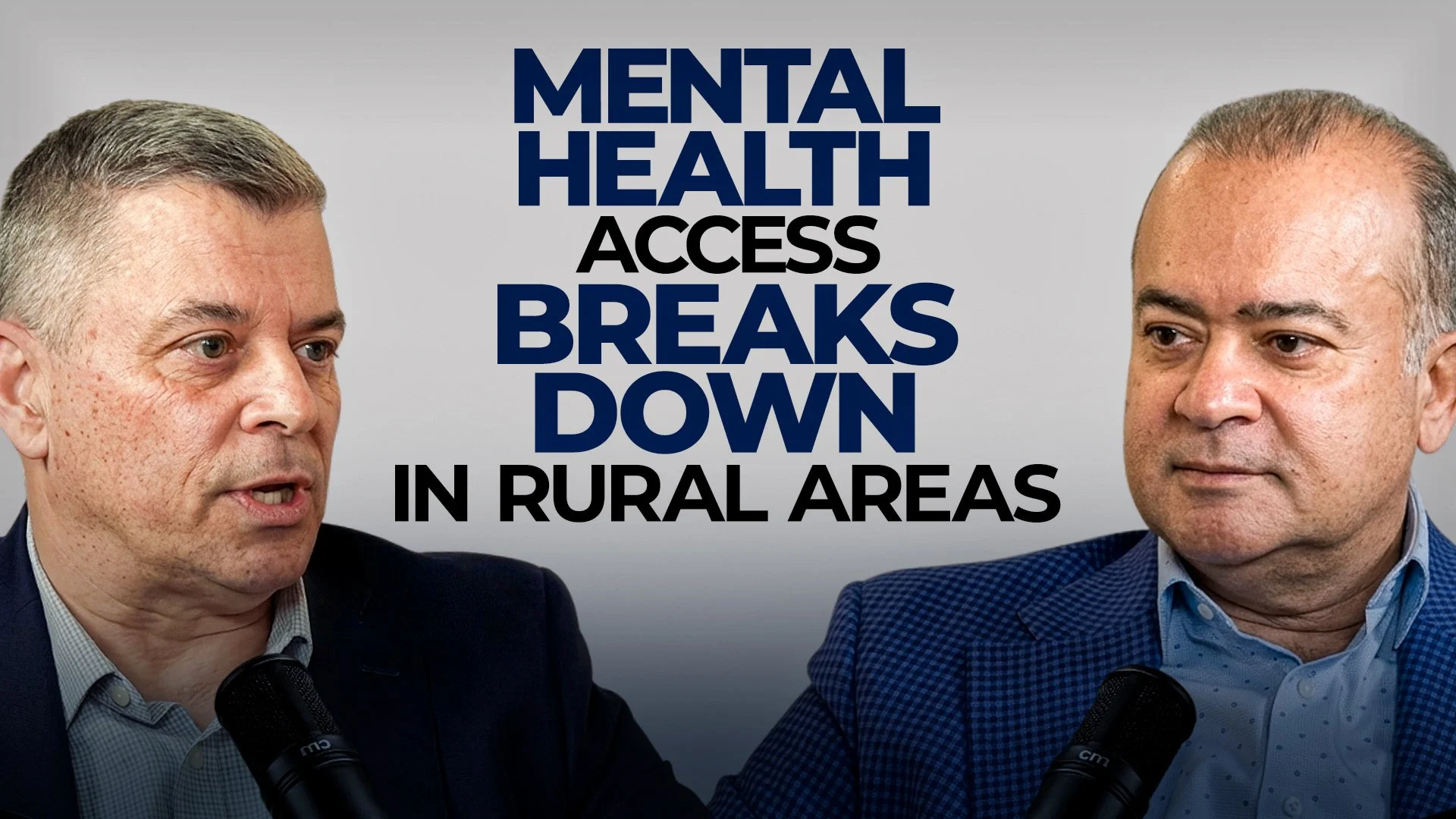
The Importance of Parity in Behavioral Health: Insights from Jim Laughman
Guest Spotlight:
Jim Laughman, President of PerformCare & ID/DD Solutions at AmeriHealth Caritas is an expert in behavioral health with extensive experience working in government, private business, and the payer world. His expertise spans across managing large, complex managed care systems, intellectual and developmental disabilities, and public health. Jim has a deep understanding of mental health parity laws, which aim to ensure equal access to mental health and substance use disorder treatments. His unique perspective comes from years of firsthand experience dealing with the intricacies of behavioral health systems, especially within Medicaid and private business sectors.
Jim has been a key figure in advocating for the integration of behavioral health with primary care, understanding that the brain and mental well-being should be treated just as importantly as physical health. He has worked on various boards and with policymakers to improve the accessibility and quality of care for individuals with mental health and substance use issues. His work aims to eliminate barriers to care and ensure that mental health is given equal attention across all healthcare systems. With a long career in the field, Jim's insights have been pivotal in shaping policies that ensure better care for those struggling with behavioral health issues.
Here are the 3 Key Takeaways from the Conversation:
The Role of Parity Laws:Parity laws, which were introduced to ensure that mental health and substance use disorder treatments are covered equally to other medical conditions, have helped reduce discrimination in healthcare. Jim explains how these laws help ensure individuals get access to the same level of care for mental health issues as they do for physical health conditions, without higher costs or limitations.
Challenges in Rural Areas:Jim emphasizes the unique challenges faced by individuals in rural areas, where access to behavioral health care is often limited. Long travel distances, economic constraints, and a lack of healthcare providers make it difficult for residents in these areas to get the mental health care they need. Digital solutions like telehealth are key to bridging this gap, especially for underserved communities.
The Future of Behavioral Health:Jim envisions a future where mental health care is integrated into primary care settings and addresses the whole person, not just specific symptoms. He suggests that early interventions, digital health solutions, and better education about mental health can reshape the system, improve access, and drive down costs by addressing mental health before crises occur.
Listen to the full episode of When Health Freezes Over now!
👉 YouTube - https://www.youtube.com/@mushincg
👉 Spotify - https://open.spotify.com/show/3bRobaBZlM3IbCJ5334PJV?si=41aa6416371e4bc2
👉 Apple Podcast - https://podcasts.apple.com/pk/podcast/when-health-freezes-over/id1887501951
#WhenHealthFreezesOver
The Data is All Out There! Health Plans Must Integrate It To Connect More Deeply with its Members - Profitability & Member Experience Are Two Sides to the Same Coin
Guest Spotlight
Anoop Bhogal is part of Accenture’s Customer Growth Strategy practice within Accenture Song, where he focuses on healthcare marketing, customer experience, and digital strategy. With over 20 years of experience, he works with major health insurers to reinvent how they engage members, not just as policyholders, but as real people with real lives.
His work sits at the intersection of data, design, and behavior. He helps organizations move away from generic, one-size-fits-all communication toward personalized experiences that actually reflect what members need. From improving digital journeys to aligning marketing with technology and AI, Anoop’s approach is simple in theory and painfully difficult in practice: understand the customer first, then build everything else around them.
Here are the 3 Key Takeaways from our Conversation:
1. Health insurance has a customer problem, not a data problem
Everyone already knows what to do. The data exists. The tools exist. AI exists. And yet, customer experience in health insurance still ranks near the bottom, somewhere around cable companies.
The real issue is execution. Data sits in silos. Teams don’t talk. Systems don’t connect. So instead of meaningful engagement, members get irrelevant messages that make it obvious no one understands them.
2. One bad experience destroys trust. And switching is easier than ever
Consumers today, especially younger ones, don’t stick around out of loyalty. They move fast.It takes multiple good experiences to build trust, but just one bad one to lose it.
If a health plan fails to feel relevant, timely, or helpful, members leave. And when they leave, it creates an unpredictable member mix, which directly hits financial performance. That’s not a marketing issue. That’s a business risk.
3. Personalization isn’t optional anymore. It’s survival
Health plans already have massive amounts of data: claims, behavior, interactions, even external lifestyle signals.
The gap is not access. It’s integration and action.
The future belongs to plans that:
Connect their data across systems
Use AI to analyze and act quickly
Deliver the right message at the right time
Treat members like individuals, not segments
Do this well, and retention improves. Ignore it, and you keep guessing your numbers every year like it’s a casino.
Listen to the full episode of When Health Freezes Over now!
👉 YouTube - https://www.youtube.com/channel/UC7CR1wzokjtVdyyWHLziUJQ/
👉 Spotify - https://open.spotify.com/show/3bRobaBZlM3IbCJ5334PJV?si=41aa6416371e4bc2
👉 Apple Podcast - https://podcasts.apple.com/us/podcast/when-health-freezes-over/id1887501951
The Broken Middle: Rethinking the Role of Health Insurance in a Fragmented System
Guest Spotlight:
Chris Dallas-Feeney is a highly experienced healthcare and strategy executive with nearly five decades of global business leadership. Most recently, he served as SVP and Chief Strategy & Innovation Officer at AmeriHealth Caritas, and previously led Strategy and Operations for Market Access at Novartis. He has also been a partner at Booz Allen Hamilton and KPMG, and ran his own consulting practice, advising major health insurers and global pharmaceutical companies on corporate strategy, organizational design, marketing, and IT.
Academically, Chris holds a PhD in Political Science (GWU) with a focus on international relations and the Middle East, along with degrees from Georgetown (M.A. Security Studies) and Penn State (B.A. Accounting). In addition to his industry work, he is an active educator, teaching corporate strategy, economics, and international relations at multiple universities, and currently serves as an Executive Advisor to ZS Associates in its Health Plan and Provider practice.
With deep exposure to insurance operations, Chris brings a sharp, practical lens to how health systems actually function, not how they pretend to. In this episode, he highlights the real value health insurers may be able to play in 2026, questions decades of value-based care hype, and breaks down the structural flaws, from short-term thinking to weak collaboration, that continue to hold healthcare back.
Here are the 3 Key Takeaways from our Conversation:
1. Health Insurance Has a Role, But It’s Blurred Insurance was built to spread risk, but today it often feels like a barrier, not a bridge. Chris points out that while the model still makes sense, execution has drifted. Outsourcing and fragmented care management have reduced insurers to administrative layers instead of true care enablers. In 2026, health insurers can deliver value by partnering with providers, helping them understand risk, and leveraging SDOH for preventive care.
2. Value-Based Care Sounds Great. Reality Says Otherwise After 20+ years, value-based care still hasn't been delivered. Why? The system isn’t ready. Providers lack infrastructure, insurers lack patience, and outcomes aren’t properly measured. The result is a model that looks good on paper but struggles in practice.
3. Short-Term Thinking Is Killing Long-Term Impact SDOH can improve outcomes and reduce costs, but only over time. One-year insurance cycles and member churn kill that incentive. Even when interventions work, the benefits often go elsewhere. Until timelines shift, the system will keep treating symptoms instead of causes.
Check out the full episode here:
Listen to the full episode of When Health Freezes Over now!
👉 YouTube - https://www.youtube.com/channel/UC7CR1wzokjtVdyyWHLziUJQ/
👉 Spotify - https://open.spotify.com/show/3bRobaBZlM3IbCJ5334PJV?si=41aa6416371e4bc2
👉 Apple Podcast -https://podcasts.apple.com/us/podcast/when-health-freezes-over/id1887501951